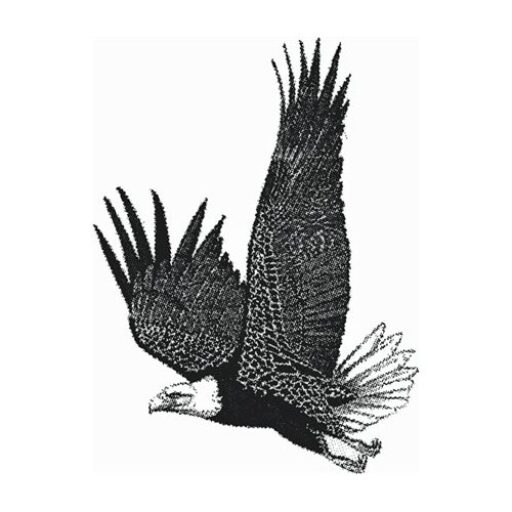


The annual autumn migration of raptors has begun and the St Thomas Field Naturalist Club and the Hawk Cliff Raptor Banding Station Committee will be showing raptors at 11 am and 2 pm. Saturday and Sunday weekends of September 13, 14 and 20, 21st. The raptor banders will be bringing live birds for the public to see and hear pertinent specs about each species on display. Kestrel, Merlin, Sharp-shinned and Cooper’s hawks are most likely. Northwesterly winds will produce the most raptor sightings. The majority of birds ride the thermals and follow the northern shore of Lake Erie to cross at the Detroit River.
Ann and Bruce will be tagging and doing presentations on Monarch butterflies.

The club will have local nature books for sale. There is a portable washroom. Hawk Cliff Rd. is at the very end of Fairview Rd. (Regional Rd 22), the gravel road just south of Dexter Line. Take care parking, some areas have steep drop offs. The lands on either side of Hawk Cliff Rd. are private lands and the cliff face is eroding. For more information on hawk migration go to www.hmana.org.

-
Annual Hawk Cliff weekends start Saturday
-
Merlin Bird ID app for Android released
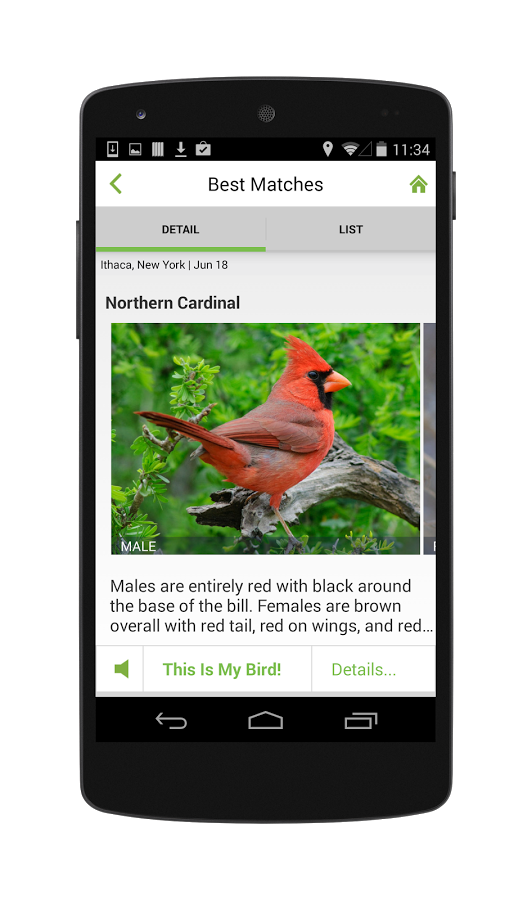
Developed by the Cornell Lab of Ornithology, this smartphone app available on Apple earlier this year is now available for Android devices which run OS 4 or higher. The app covers 400 of the most common birds. By answering simple questions such as What size was the bird? or What were the main colours? or types of activities of the bird Merlin will come up with the answer based on results of more than 70 million sightings submitted to eBird. This free app has more than 1000 bird photos, ID text, range maps and you can listen to the birds song. Beware though that with all these features the app is 443 MB in size, now version 1.0.60.
Paid apps include iBird Pro is the best digital app in my opinion and many birders like The Sibley eGuide to Birds and last but not least National Geographic Birds app. The three paid apps are also available in the Windows Store.
-
Join us at Rondeau on Saturday

For all that would like to join the St Thomas Field Naturalist Club for the Baillie BIRDATHON you can meet us at 9 AM on Saturday, May 10th at the corners of Rose Beach Line and Kent Bridge Road, on the outskirts of Rondeau Provincial Park. All are welcome, the more eyes and bins the merrier. Supper at Rondeau Joe’s.
Hope to see you there. -
BSC Baillie BIRDATHON 2014

The Baillie is the oldest sponsored bird count in North America, raising money for bird research and conservation. Insectivores like swallows, swifts and flycatchers are in steep decline and the early warning signs of problems in the birding world. For more on this please read Plight of the bug eaters from Ontario Nature. The long cold winter will make this years sightings possibly quite unique. Certainly the foliage in the trees will be less and the sightings easier, hopefully.
Al Hurst is leading this clubs annual fundraiser. Please sign a pledge sheet at the May meeting and pay in cash or by cheque. When you pledge please include your email address to receive an income tax receipt for all donations of $10 or more. Thank you for all your support in funding bird research and hoping spring gets here shortly. -
Golden eagle attacks deer in Russia

As unbelievable as it may seem a remote camera in Lazovsky State Nature Reserve in Eastern Russia caught a golden eagle attacking and killing a sika deer. These pictures were captured in December 2011 and only recently released. The Toronto Star has the story and other 2 pictures.
-
Hawkwatch at Long Point this weekend

There is a eco-fest and hawkwatch plus meet and mingle with snakes and turtles at Long Point Eco-adventures this weekend.
Here is the poster for event. -
Stingless Chinese wasp may save ash trees

Stingless wasp In today’s Times-Journal there was a QMI Agency story on using stingless Chinese wasps to attack the larvae of the emerald ash borer (eab), which are native in China. Here is a QMI link to the original article. The eab is a metallic green beetle about the size of a cooked grain of rice. The eab was first detected near Detroit over a decade ago. Emerald ash borers are believed to have arrived in North America in wooden packing crates from China in the 1990’s. This research has been going on in many states for years. Scientists are rearing the wasps at the EAB Biological Control Facility in Brighton, Michigan. Michigan released some wasps in parts of the state in 2007 and they are just starting to see healthy trees. The introduction of a foreign species to attack another exotic, invasive species problem is always a risk in ways we do not yet understand. Can the wasps survive Ontario’s cold winters is unknown although Michigan’s success is a good sign. Here’s hoping these wasps are successful at eradicating eab and doing no harm. Our ash trees are depending on it.

Adult Emerald ash borer
eab larvae 1.5 to 2 inches -
Annual Pinafore Potluck

A Pair of osprey on light tower. We had over 20 people for the potluck. The park road work was finished and the weather cooperated. Good food was enjoyed by all. A walk around Lake Margaret followed during which we saw spotted sandpiper, cedar waxwing, an osprey heading back to Doug Tarry Park and finally night hawks with their beep beep sound.
Attached are two more pictures by Geoffrey Pereira taken of the two osprey and one bringing food back to the nest. Thanks Geoff for sharing.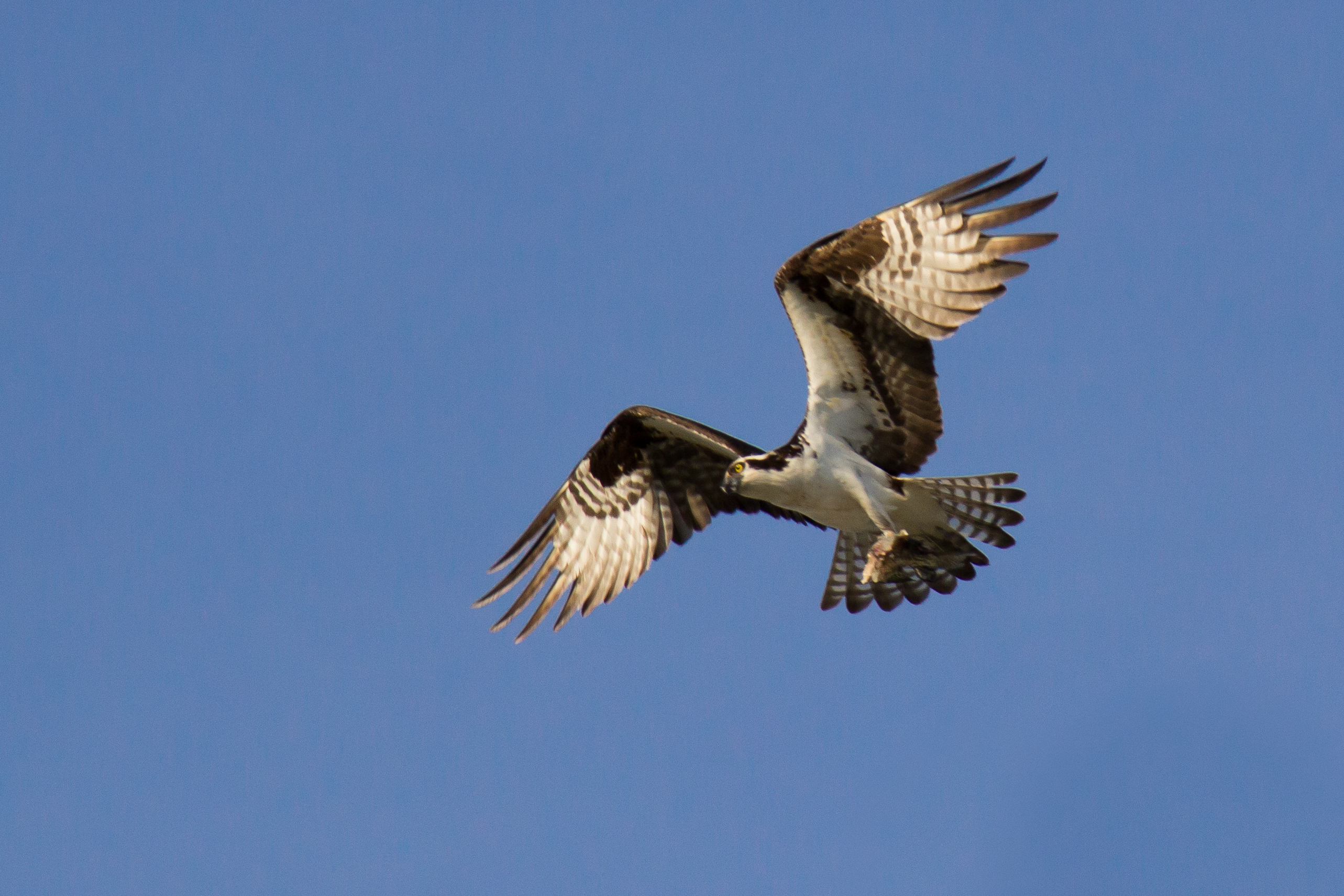
Osprey bringing dinner home. -
Osprey nesting in St Thomas

Osprey with nesting material over ball diamond The decline of osprey due to the use of pesticides in the 1960’s is slowly correcting itself. The birds have developed a liking for light towers over ball diamonds. This picture was taken by Geoffrey Pereira, a casual with the city Parks Department and a hobbyist photograper on May 10th using a 200mm lens at the Doug Tarry ball complex. You can see the nesting material in the talons. Note the two toes pointing forward and two toes backward and the pale yellow eye. Very nice picture and thank you to Geoffrey for sharing it with us.
-
Vancouver ornithologist at 12 years of age

It is truly amazing times when a 12 year old can learn this much in such a short time. Liron Gertsman became interested in birds at 5 years of age. Here is his blog with amazing pictures. Oh, he was also the 100,000,000 poster on eBird. Here is a video of him on CBC’s Only in Canada. Enjoy his pictures when it is rainy outside. This really shows the need to get the young involved in the club.


